 Instagram







Visiting Soba (Buckwheat) Producing Regions
- written by
- Kanako Kamiya
- #Culture
- #Food
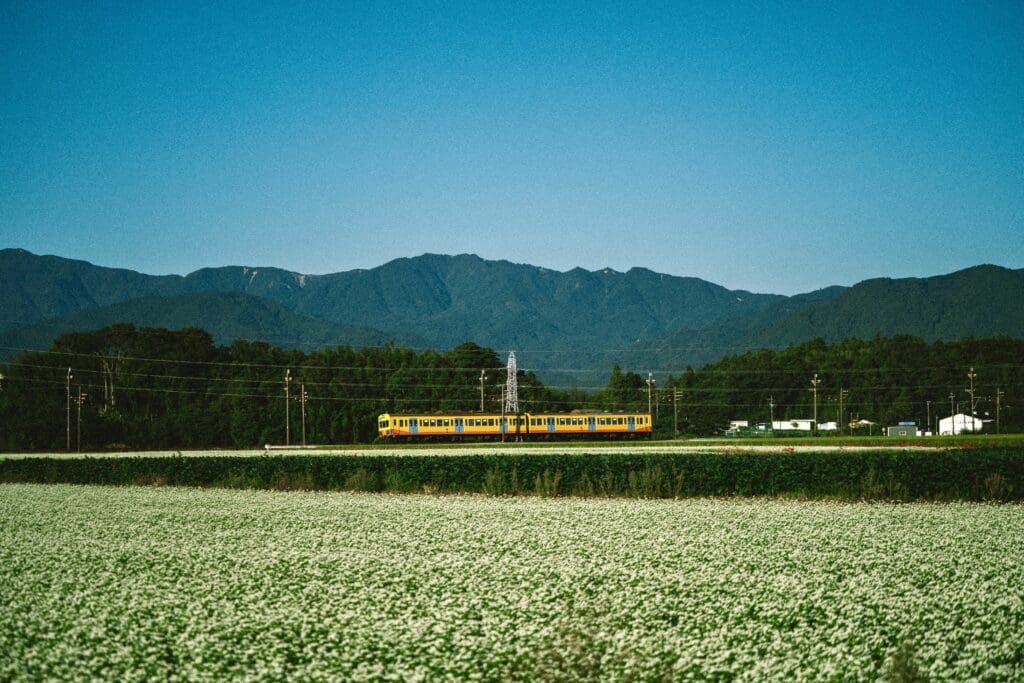
Inabe, located at the northernmost tip of Mie Prefecture, is a town where the pristine landscapes of satoyama spread beautifully. Nestled at the foot of the Suzuka Mountains, cold winds blow in during autumn, creating significant temperature differences between day and night. This environment is ideal for growing Soba, buckwheat. To preserve this beautiful scenery for future generations, Soba cultivation began here in 2002.
Today, it proudly boasts the highest soba production volume in Mie Prefecture.
In autumn, beautiful snow-white flowers bloom profusely. Some fields even feature red blooms, creating a stunning red-and-white palette across the city.
Using this soba flour of Inabe, soba noodle making is popular throughout the city. Many restaurants offer hand-made or freshly made soba noodles in the morning.
The carefully cultivated soba boasts a rich aroma, and its sweetness deepens in savoring.
We visited the scenery of soba fields that beautifully color this satoyama landscape.
The Wish to Preserve the Beauty of this Town
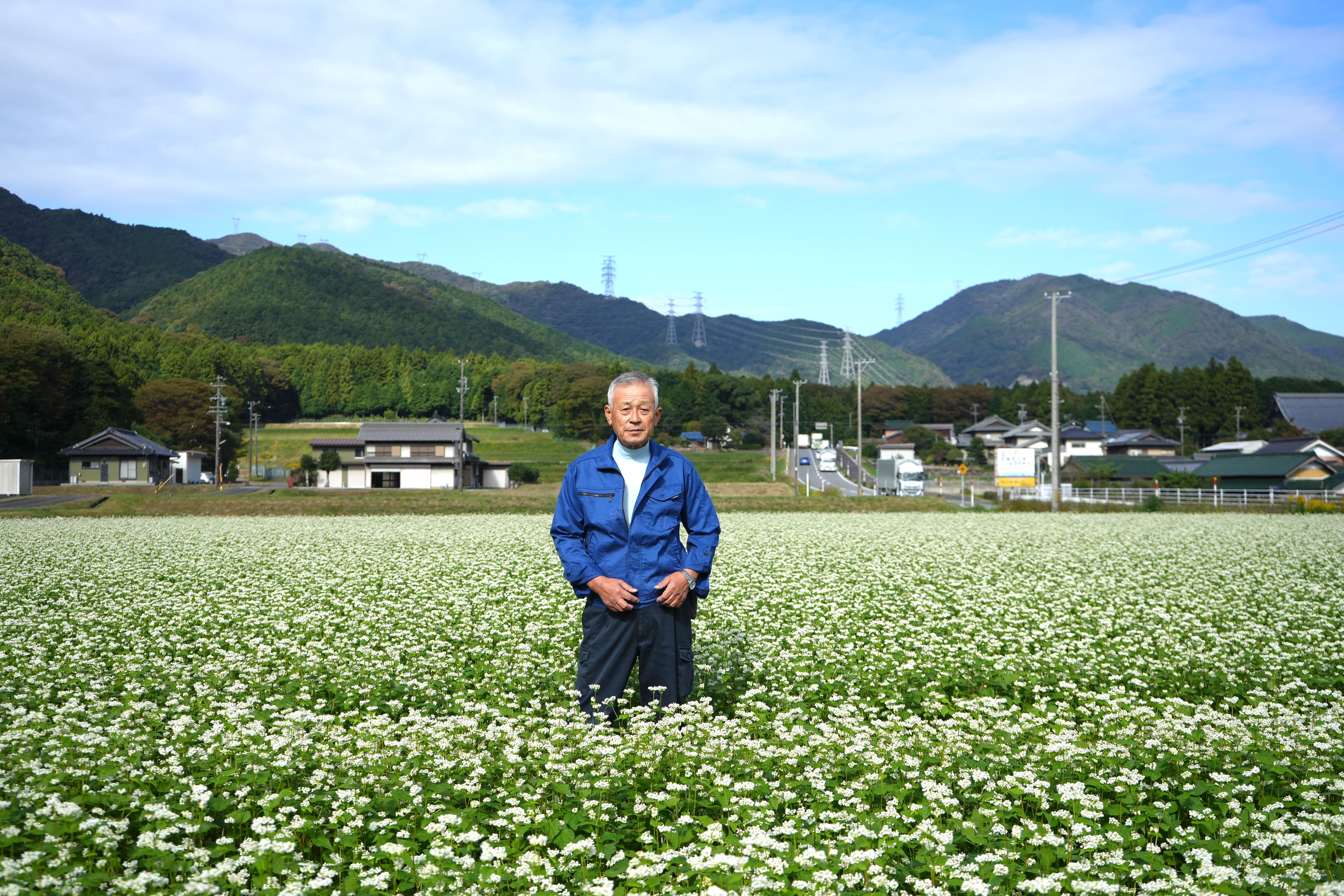
About 20 years ago, soba cultivation began in Inabe City.
It started from the wish of the city and farmers, “We want to preserve this town’s beauty by utilizing abandoned farmland.”
Mr. Katsumi FUJITA, a soba farmer in the Fujiwara area, Inabe City, began growing soba in 2002 after taking early retirement from city hall work at age 50. Inabe offers ideal climatic conditions for soba cultivation, and he primarily grows the “Hitachi Aki Soba” variety.
By 2008, the number of producers had increased, leading eight soba farmers to form a soba production association. They established shipping standards for whole soba grains to produce high-quality “Inabe Soba.”
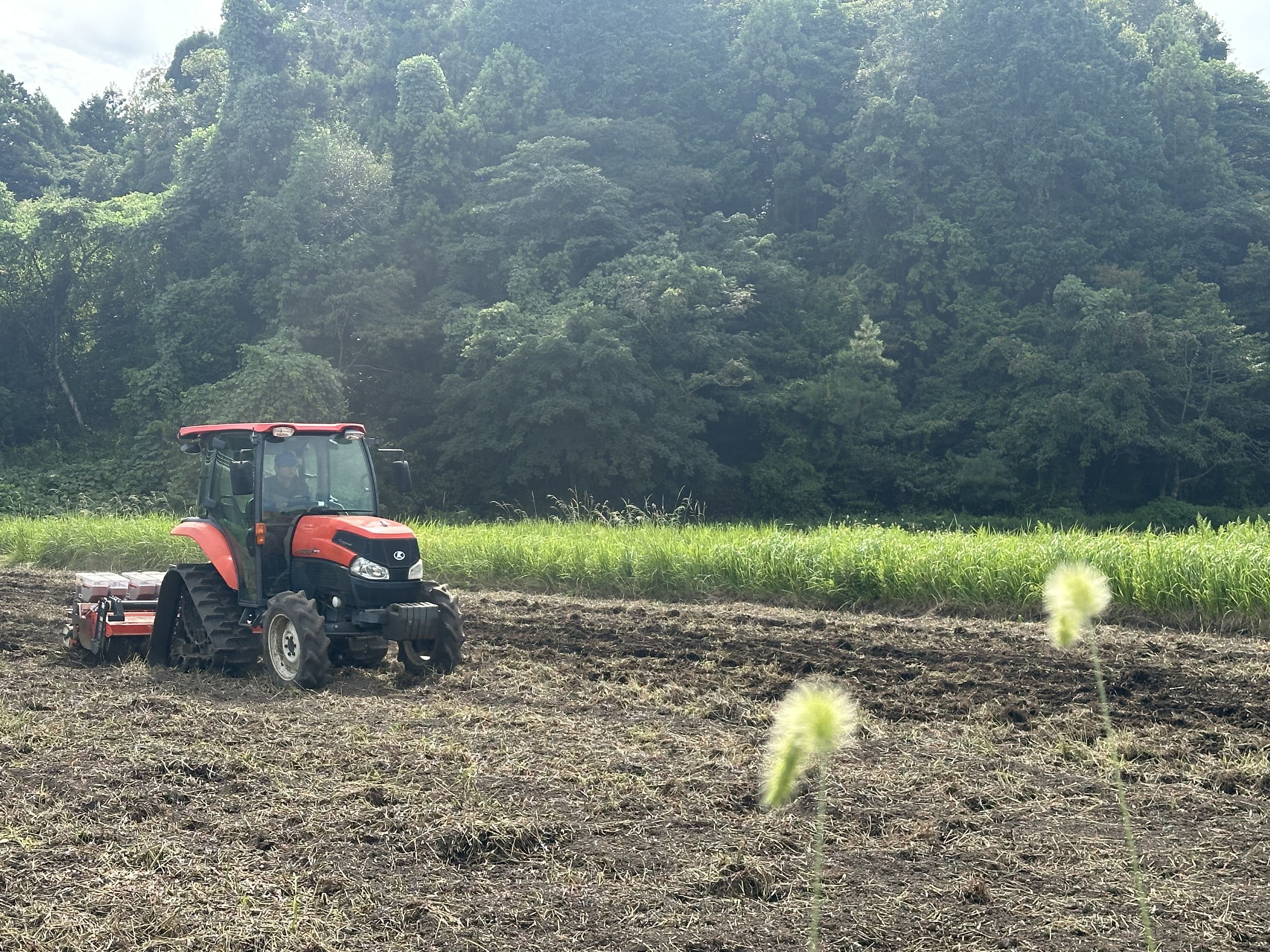
Seed sowing season begins as autumn approaches. This year, with the hot days continuing, Mr. Fujita was eagerly awaiting the perfect moment to sow his seeds.
“I’ll sow the seeds once I know the September typhoon won’t hit. But lately, with the changing climate, finding the right timing is tricky,” he said.
Then, on the day the temperature dropped sharply around the autumnal equinox, he sowed his seeds.
“Sharp temperature swings make everything taste better—vegetables, rice, everything,” he said.
Mr. Fujita determines the time when soba tastes its best, cultivating it while engaging with the seasons.
Butterflies and Bees Support Soba Cultivation
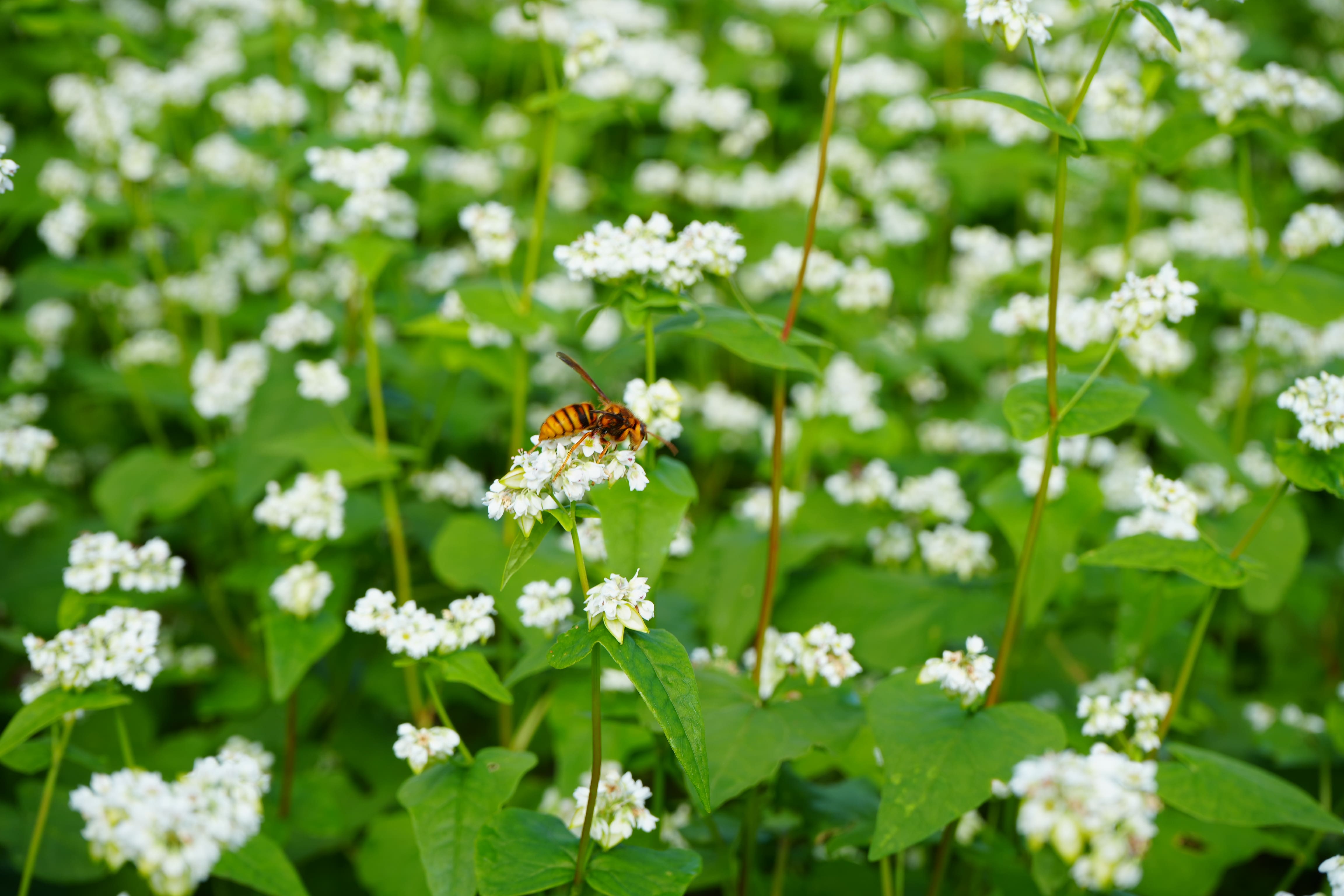
Around October, pure white soba flowers bloom beautifully all over the city.
If you look closely, butterflies and bees visit, flitting around the flowers and pollinating them.
Bees and butterflies play a vital role in soba cultivation.
Watching the many types of bees and butterflies flutter about, Mr. Fujita exclaims happily, “Wow, there are so many!”
He believes the delicious soba is the result of this environment where people, nature, and insects coexist within rich natural abundance.
-
written byKanako Kamiya
A writer originally from Fujiwara-cho, Inabe City. After working as a newspaper reporter, she transitioned to a career in journalism and writing. She has worked with publishers and other organizations on planning and reporting for magazines and web media, as well as assisting with book editing. With the theme of “passing on history, culture, and the wisdom of our ancestors to the next generation,” she continues to cover topics such as regional revitalization and the preservation of traditions.
-
Fujita Farm (Fujita nosan)
- Address
- 4152, yamaguchi, Fujiwara-cho, Inabe city, Mie pref.
- WEB
-
WEB

Choose by Category.


Recommended article
-
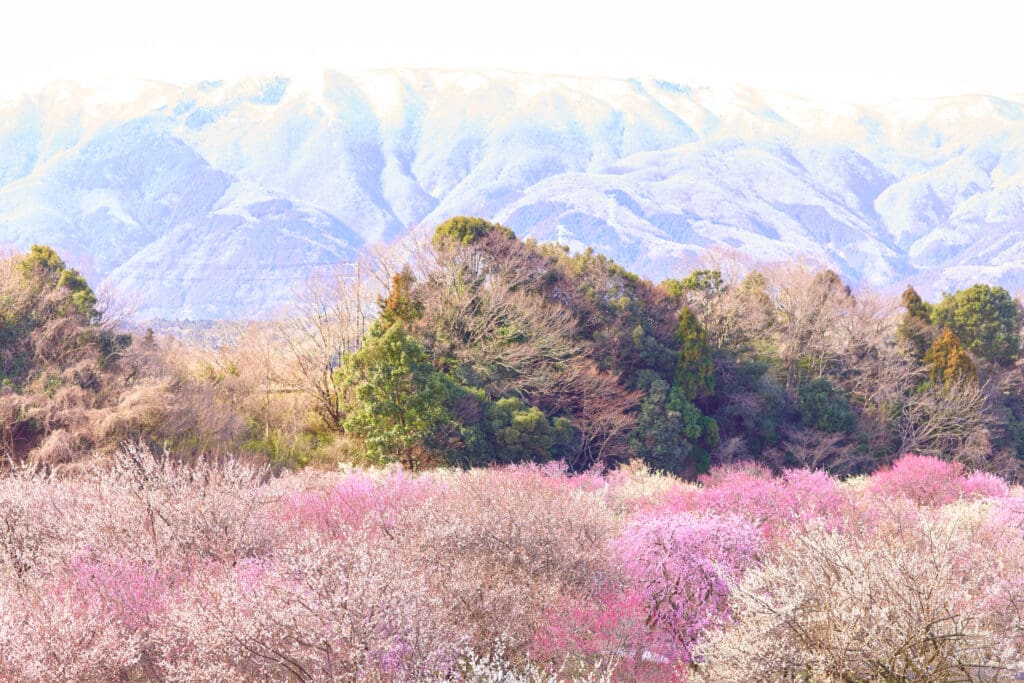
A sea of plums in full bloom. “Inabe Bairin Park” created by local residents.
The plum blossom, a harbinger of spring, has long been cherished by the Japanese people. When the season arrives for these heart-lifting blossoms—in shades of white, crimson, and pale pink—to bloom, their soft, sweet-and-sour fragrance and vibrant colors envelop the world, and people rejoice together at the arrival of spring. In Japan, the start of...
-
- #Culture
- #Interaction
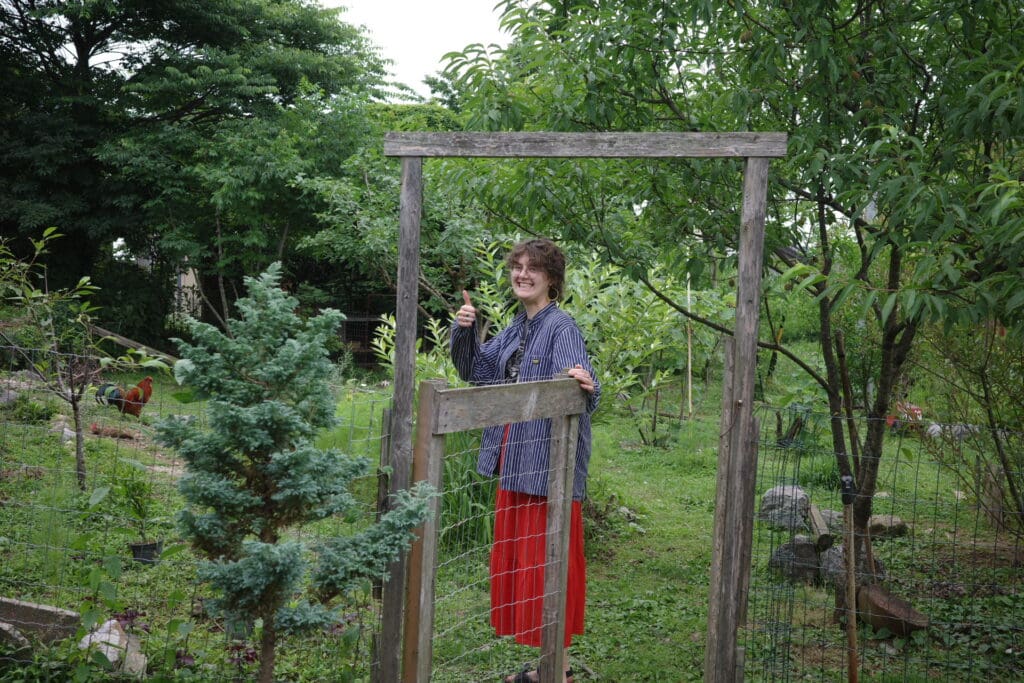
Sari’s life in Inabe city
Sally, a traveler from Denmark, met various people and experienced the local culture.What was life and travel like in this town?We had Sally write “Inabe, Journeying into life.” −The following is written by Sally. SHIBATA FAMILY I have lived 1 month with Kayoko, Nozomu and Ao Shibata in Fujiwara-Nishi. Living with the Shibata family is...
-
- #Culture
- #Experience
- #Food
- #Traditional
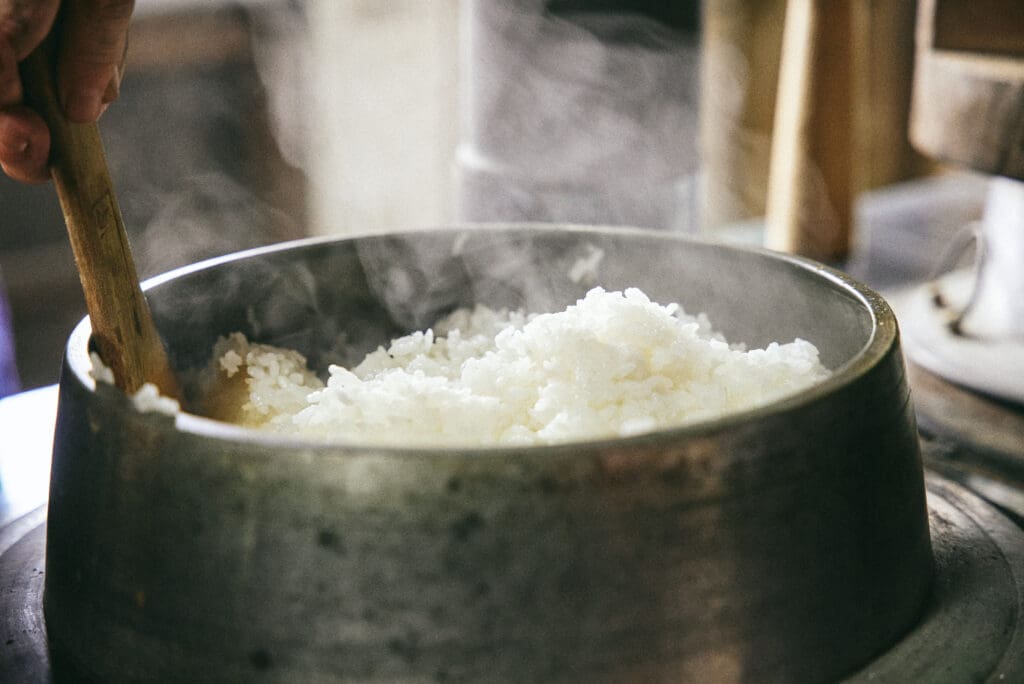
okudo中村舎(Okudo Nakamuraya)
6 minutes walk from Nishinojiri Station on the Sangi Railway Sangi Line.With Mount Fujiwara in the background, you will be greeted by a magnificent gate. Okudo Nakamuraya is a japanese traditional house, over 200 years old.You can enjoy rice cooked in a traditional stove and comforting dishes like those made by a grandmother in an...