
 Instagram







Visiting Soba (Buckwheat) Producing Regions
- written by
- Kanako Kamiya
- #Culture
- #Food
Inabe Soba, Loved Both Within and Beyond the City


Once the soba seeds are harvested in Inabe, they are gathered at Fujita Farm, operated by Mr. Fujita. Stones and debris mixed in with the soba are removed, and the seeds are sorted by size. They are then carefully ground using stone mills to produce high-quality soba flour.
The soba flour and dried noodles produced here are sold wholesale to retailers within and outside the city, as well as to renowned restaurants like “Sarazan” in Nagoya, and are loved in many regions.
Furthermore, people throughout the city enthusiastically make soba noodles using this soba flour.
Combined with the artisan skill of the noodle makers, it results in the refined appearance characteristic of white, delicate Inabe soba.
“Inabe soba is delicious, you know. It has a sweetness, and the aroma of soba gently wafts up. You’ll understand once you try it.”, explained Mr. Fujita.
Feeling the Earth’s Bounty at the Cultivation Site

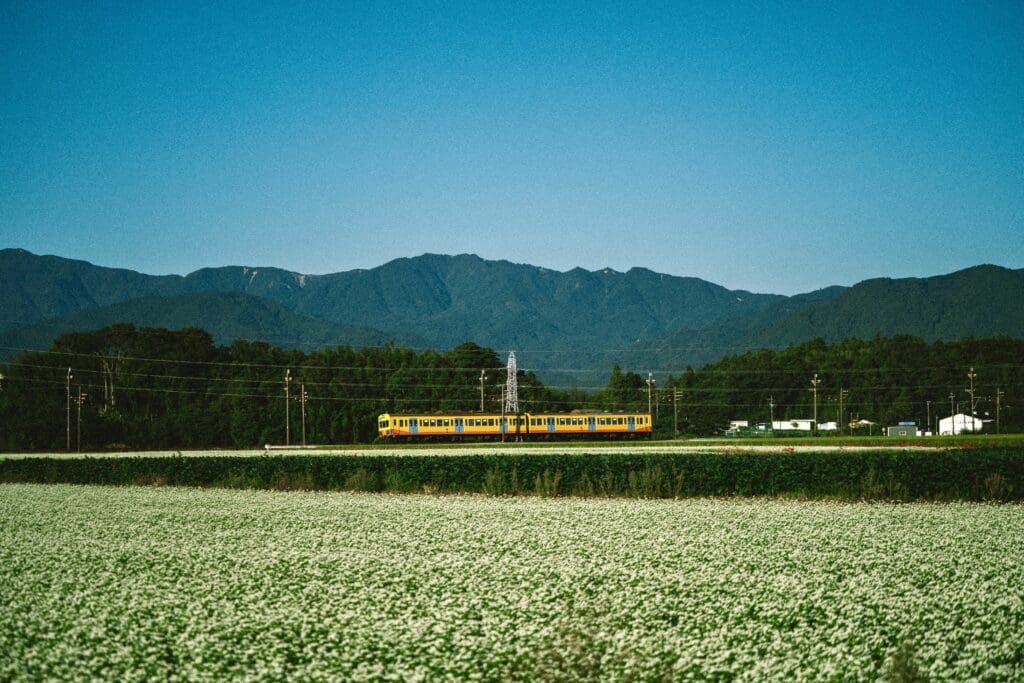
At the foot of the mountains, soba fields stretch out like pure white carpets.
Taking a deep breath in this place, where countless insects flit about like fairies, you can feel the blessings woven by the earth and its people throughout your entire body.
Behind the scenery of the satoyama and the creation of fragrant soba lies the presence of people who cherish this town, converse with the seasons, and live in harmony with nature.
What is Soba?
Soba existed as early as the pre-Jomon period, even before rice was cultivated in Japan. It is a grain that has been cherished since ancient times. The earliest written record recommending soba cultivation in Japan is found in the 8th century text, the Shoku Nihongi. It was apparently eaten in forms like soba-gaki and soba-dango, made by kneading and boiling the flour.
“Soba-kiri,” or the noodle-like soba noodles eaten today, first appeared in written records around the 16th century. It is said to have become widely popular from the late 17th to early 18th century during the Edo period. Soba noodles stalls appeared in towns, enabling the general public to enjoy it.
Although dishes using soba are found worldwide, such as French galettes, in Japan “soba” specifically refers to this noodle form and is considered a representative traditional food of Japan.
Soba contains high levels of rutin, a polyphenol also found in red wine. It is also rich in vitamins, especially B vitamins, as well as minerals, potassium, phosphorus, and magnesium, making it popular among health-conscious people. Most commonly eaten is “Nihachi soba”, a smooth noodle made with 20% wheat flour. “Towari soba”, made with 100% soba flour, is gluten-free and preferred for its pure soba flavor.
Soba enthusiasts travel across Japan in search of local flavors at soba restaurants. These connoisseurs are called ”tsuu,” and they have their own unique way of eating.
First, enjoy the pure flavor of the soba noodles themselves, adding nothing. Next, lightly dip them in salt. You can also dip the noodles in wasabi. This allows you to savor the soba’s natural aroma. After that, dip them in the Tsuyu broth and slurp them up. Making a slurping sound (“zuzu”) is not bad manners in Japan. Slurp the noodles heartily, drawing in air with each bite, and enjoy them to the fullest.
At the end, a bowl of hot, mellow “Soba-yu” (soba cooking water) is served. When you add a little Tsuyu broth to this soba-yu and drink it, the savory umami of dashi—the foundation of Japanese cuisine—blends with the mellow richness of soba-yu, creating a wonderfully warm and delicious experience. This warms you right down to your core, even in the coldest weather.
Japanese people live with soba noodles, eating “Toshikoshi Soba” as the year changes on New Year’s Eve to wish for health in the coming year. There is also the custom of distributing soba noodles as a greeting when moving to a new home, known as “Hikkoshi Soba.” Soba has thus been cherished as a symbol of good fortune.
It is a traditional food deeply rooted in people’s lives and one of the Japanese dishes you must try when visiting Japan.
Caution: Individuals with buckwheat (soba) allergies should exercise caution when consuming or handling these products.
Translated by Ai Matsunaga
-
written byKanako Kamiya
A writer originally from Fujiwara-cho, Inabe City. After working as a newspaper reporter, she transitioned to a career in journalism and writing. She has worked with publishers and other organizations on planning and reporting for magazines and web media, as well as assisting with book editing. With the theme of “passing on history, culture, and the wisdom of our ancestors to the next generation,” she continues to cover topics such as regional revitalization and the preservation of traditions.
-
Fujita Farm (Fujita nosan)
- Address
- 4152, yamaguchi, Fujiwara-cho, Inabe city, Mie pref.
- WEB
-
WEB

Choose by Category.


Recommended article
-
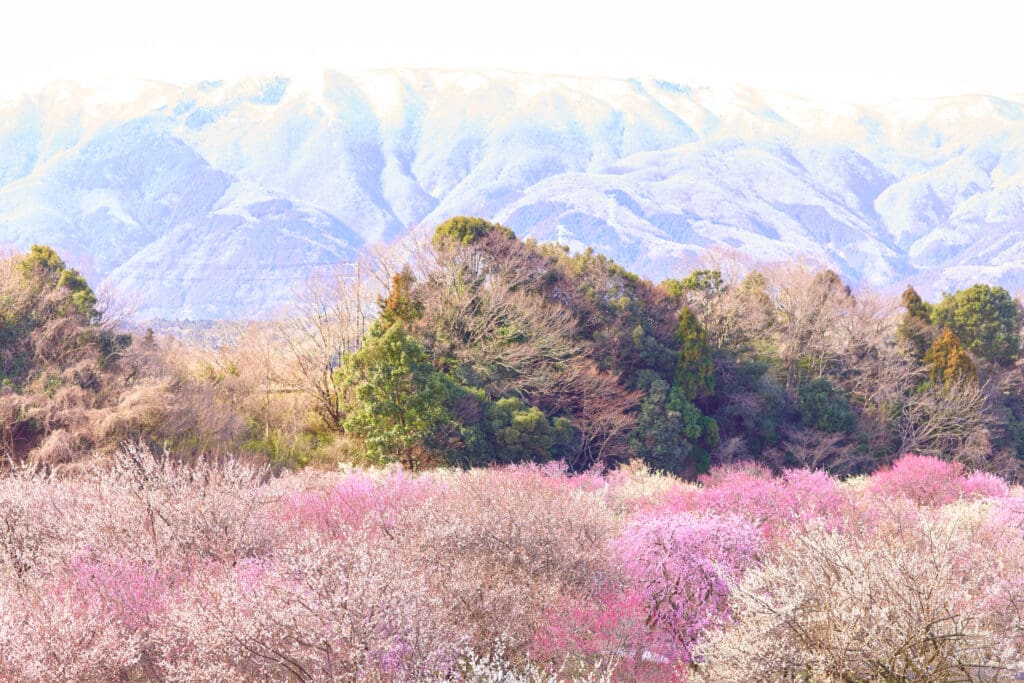
A sea of plums in full bloom. “Inabe Bairin Park” created by local residents.
A sea of pink plum blossoms stretching out below Apparently, when the project was first planned, some people asked, “Who on earth would come out here in the middle of nowhere?” However, come spring, people from all over the country began flocking here just to catch a glimpse of this breathtaking view—a vast sea of...
-
- #Culture
- #Interaction
Sari’s life in Inabe city
Sally, a traveler from Denmark, met various people and experienced the local culture.What was life and travel like in this town?We had Sally write “Inabe, Journeying into life.” −The following is written by Sally. SHIBATA FAMILY I have lived 1 month with Kayoko, Nozomu and Ao Shibata in Fujiwara-Nishi. Living with the Shibata family is...
-
- #Culture
- #Experience
- #Food
- #Traditional
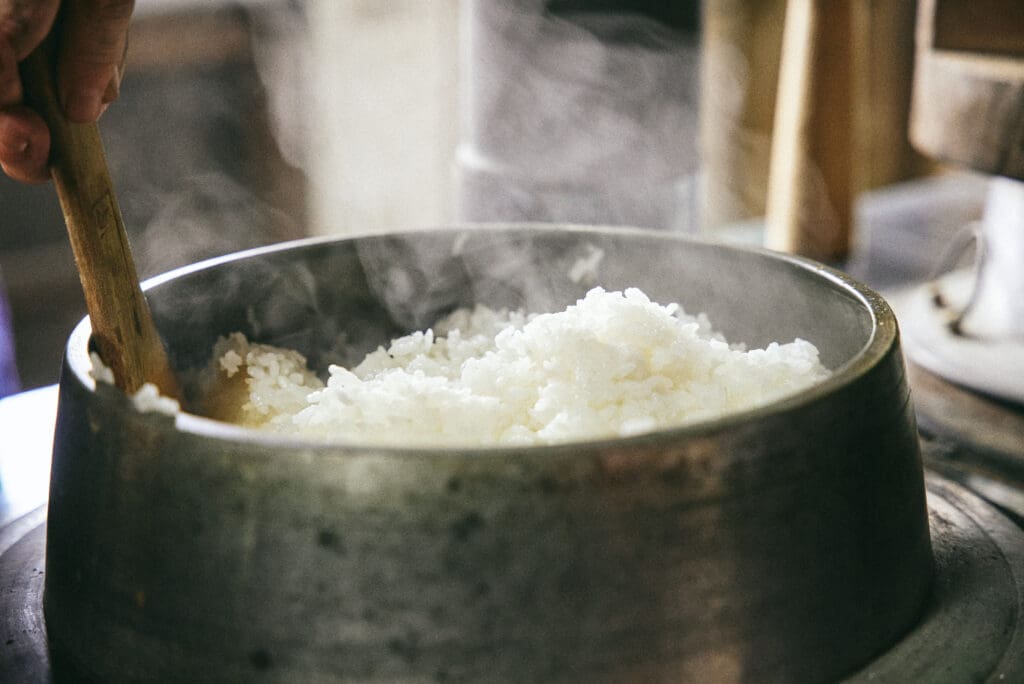
okudo中村舎(Okudo Nakamuraya)
6 minutes walk from Nishinojiri Station on the Sangi Railway Sangi Line.With Mount Fujiwara in the background, you will be greeted by a magnificent gate. Okudo Nakamuraya is a japanese traditional house, over 200 years old.You can enjoy rice cooked in a traditional stove and comforting dishes like those made by a grandmother in an...