 Instagram







A sea of plums in full bloom. “Inabe Bairin Park” created by local residents.
- written by
- Kanako Kamiya
- photo by
- Green Creative Inabe
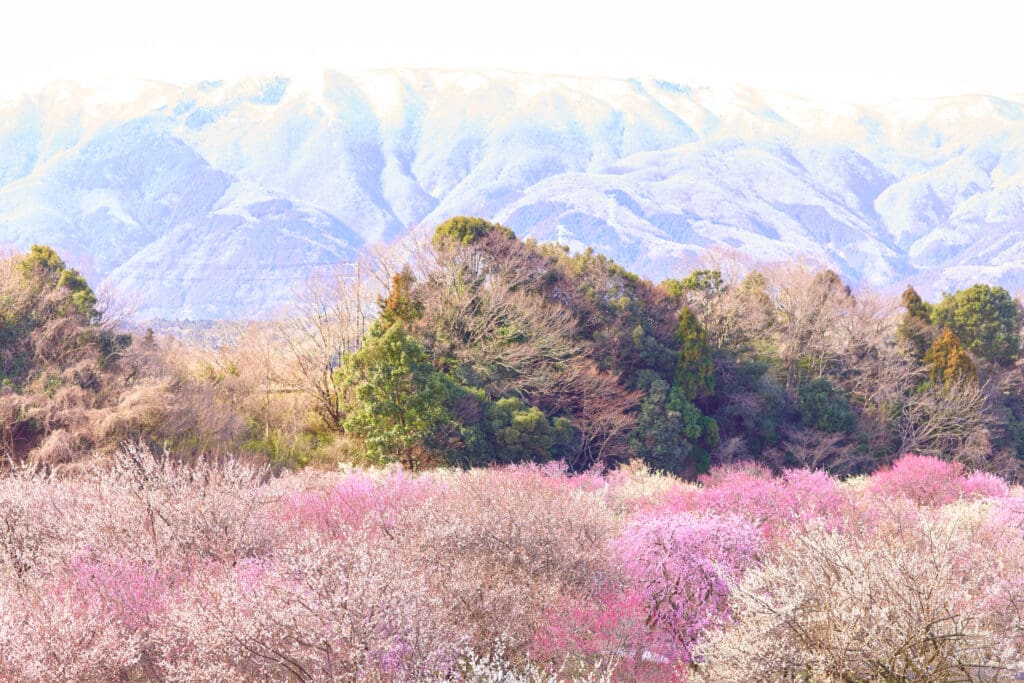
The plum blossom, a harbinger of spring, has long been cherished by the Japanese people. When the season arrives for these heart-lifting blossoms—in shades of white, crimson, and pale pink—to bloom, their soft, sweet-and-sour fragrance and vibrant colors envelop the world, and people rejoice together at the arrival of spring.
In Japan, the start of the year’s farming work coincides with the blooming of plum blossoms, and numerous phrases and practical wisdom related to plums have been passed down through the generations. They have also served as subjects for paintings, such as “flower-and-bird paintings” and ink wash paintings, and were used in fusuma sliding door paintings and room decorations.
Just as these beautiful flowers bloom in early spring, plump plum fruits soon follow, and the tart fruit is enjoyed as an ingredient in umeboshi (pickled plums), plum wine, plum jam, and plum syrup. Even today, the plum blossom remains an integral part of Japanese life, delighting people year after year.
At “Inabe Bairin Park,” 2,000 plum trees representing 50 varieties bloom in full splendor, offering a breathtaking view from the hilltop of a vast sea of pink stretching out below. The Plum Blossom Festival usually takes place from late February through late March.
“Inabe Bairin Park” began when their forebears carefully planted plum trees, one by one, with the aim of preserving this devastated land for future generations. Why not spend some time surrounded by the fragrance of plum blossoms, immersing yourself in the world of the plum grove adorned in shades of pink and white, and enjoying the arrival of spring as you take in the breathtaking view from the hilltop?
“Inabe Bairin Park”: A Land Revived by the Community
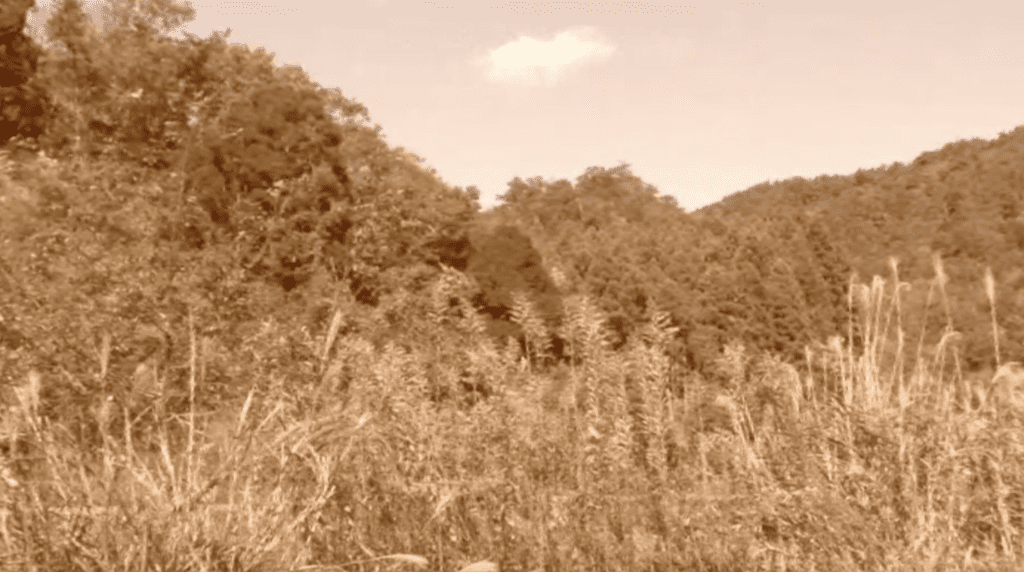
Inabe Bairin Park was founded in 1999. Its origins date back to 1972, when the Nakazato Dam was constructed to secure water for industrial and agricultural use, as well as drinking water. To replace the submerged farmland, this forested area was cleared to create 68 hectares of new farmland, with the aim of diversifying agricultural operations by producing vegetables and fruit trees.
However, growing vegetables in the mountains led to crop failures due to wildlife damage, and the land gradually fell into disuse. It was in this context that the Inabe Bairin Park project was launched with the goal of passing this place on to future generations. In 1999, work began on developing a 38-hectare park.
“Please visit the park we created.”
The Inabe Bairin Park project, often referred to as a “slow public works” initiative, was undertaken with the goals of fostering exchange between rural and urban communities, building a circular economy, and promoting senior welfare and job creation.
The project was launched jointly by construction companies, professionals in the civil engineering and construction sectors, and local senior citizens. Through a public-private partnership, the plan was advanced using the wisdom and ingenuity that the senior citizens had cultivated over many years.
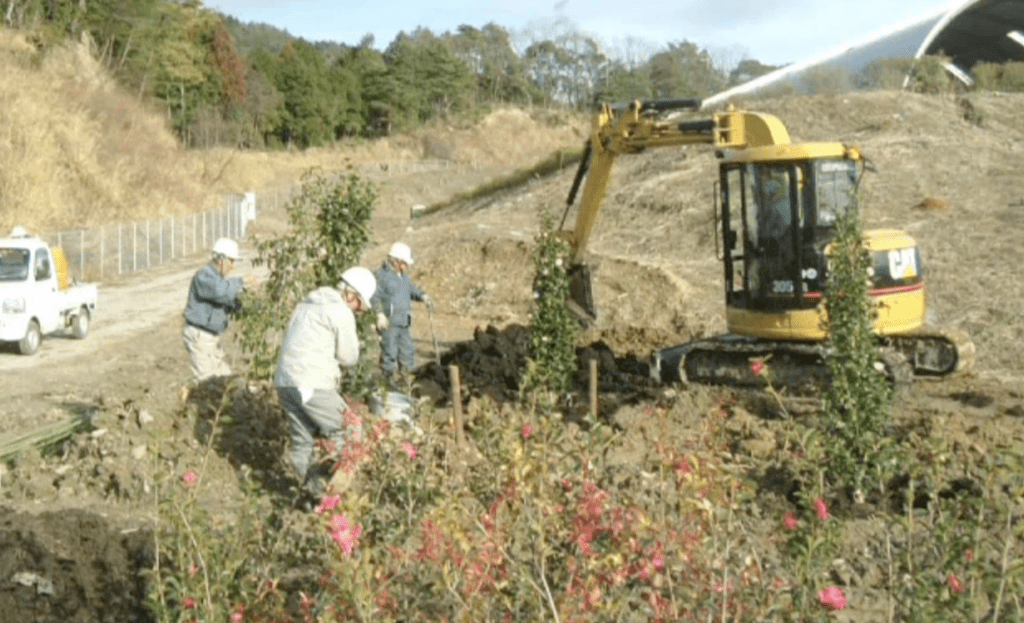
On a clay-rich site susceptible to temperature fluctuations, the public and private sectors worked as one, pooling the practical wisdom of the elderly to build the park step by step, entirely by hand.
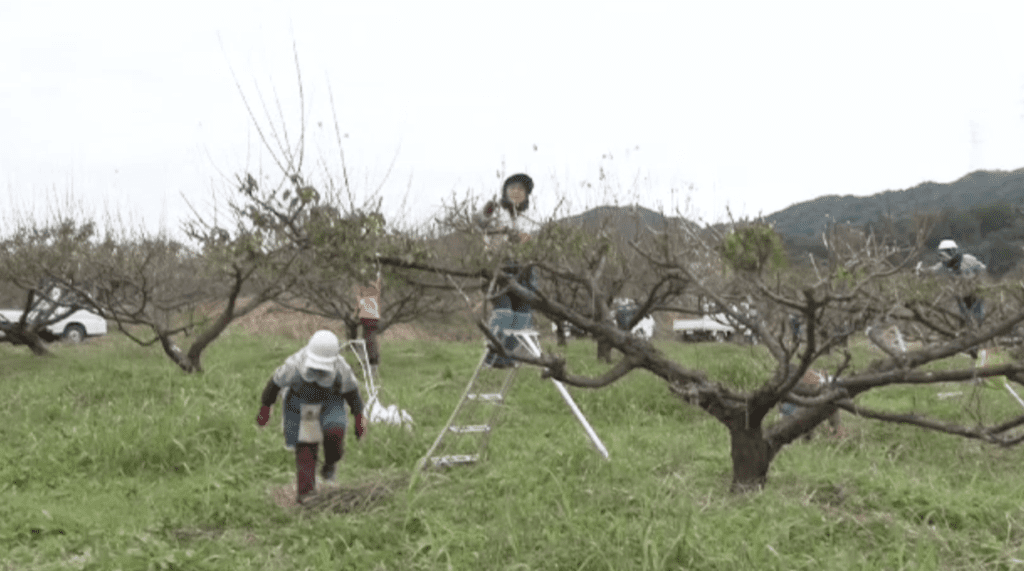
A video captures what it was like when the park was first created.
They cleared away rocks, pulled up weeds, and planted plum trees one by one.
Their pride in their community was evident as they carefully prepared the land.
“It’s my final passion in life,”
they said with a smile, as the video captured them working while envisioning the day the flowers would bloom.
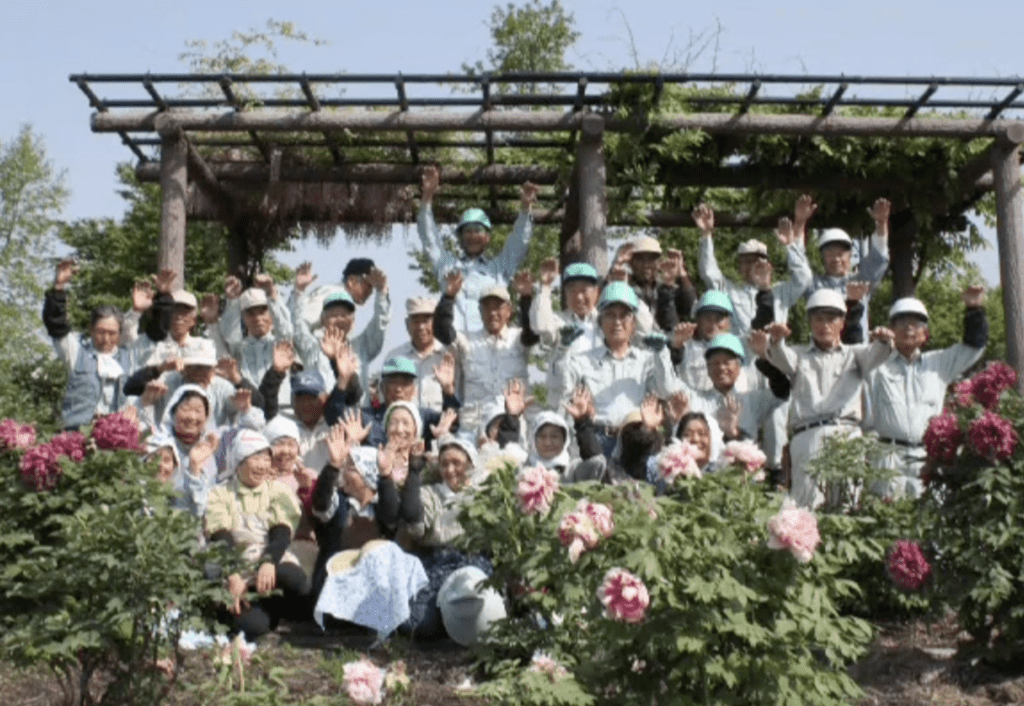
“Please visit the park we created.”
This message expressed the dream of seeing this park, nestled deep in the mountains and rich in nature, bustling with people.
The aspirations of these pioneers have borne fruit, and the park has become a place where beautiful plum blossoms bloom every year.
-
written byKanako Kamiya
A writer originally from Fujiwara-cho, Inabe City. After working as a newspaper reporter, she transitioned to a career in journalism and writing. She has worked with publishers and other organizations on planning and reporting for magazines and web media, as well as assisting with book editing. With the theme of “passing on history, culture, and the wisdom of our ancestors to the next generation,” she continues to cover topics such as regional revitalization and the preservation of traditions. -
photo byGreen Creative Inabe
-
Inabe City Agricultural Park, "Bairin Park"
- Address
-
717 Kanae, Fujiwara-cho, Inabe City, Mie Prefecture

- WEB
-
WEB
- TEL
- +81-594-46-8377
Choose by Category.


Recommended article
-
- #Culture
- #Food
Visiting Soba (Buckwheat) Producing Regions
Inabe, located at the northernmost tip of Mie Prefecture, is a town where the pristine landscapes of satoyama spread beautifully. Nestled at the foot of the Suzuka Mountains, cold winds blow in during autumn, creating significant temperature differences between day and night. This environment is ideal for growing Soba, buckwheat. To preserve this beautiful scenery...
-
- #Culture
- #Interaction
Sari’s life in Inabe city
Sally, a traveler from Denmark, met various people and experienced the local culture.What was life and travel like in this town?We had Sally write “Inabe, Journeying into life.” −The following is written by Sally. SHIBATA FAMILY I have lived 1 month with Kayoko, Nozomu and Ao Shibata in Fujiwara-Nishi. Living with the Shibata family is...
-
- #Culture
- #Experience
- #Food
- #Traditional
okudo中村舎(Okudo Nakamuraya)
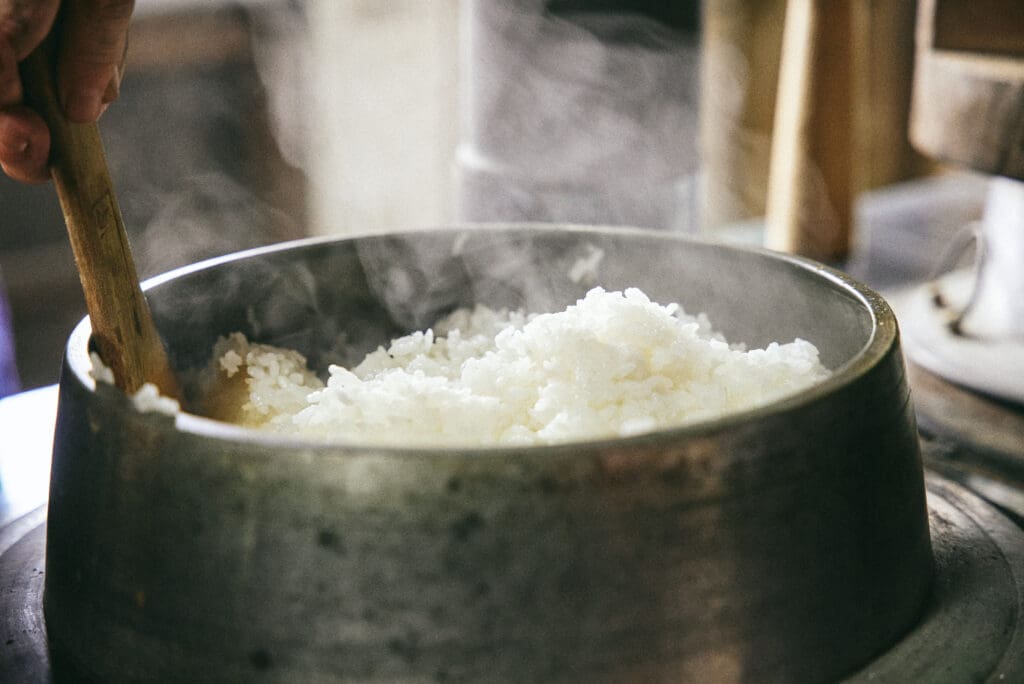
6 minutes walk from Nishinojiri Station on the Sangi Railway Sangi Line.With Mount Fujiwara in the background, you will be greeted by a magnificent gate. Okudo Nakamuraya is a japanese traditional house, over 200 years old.You can enjoy rice cooked in a traditional stove and comforting dishes like those made by a grandmother in an...